46 3个小鼠群体
3个遗传背景多样的小鼠群体
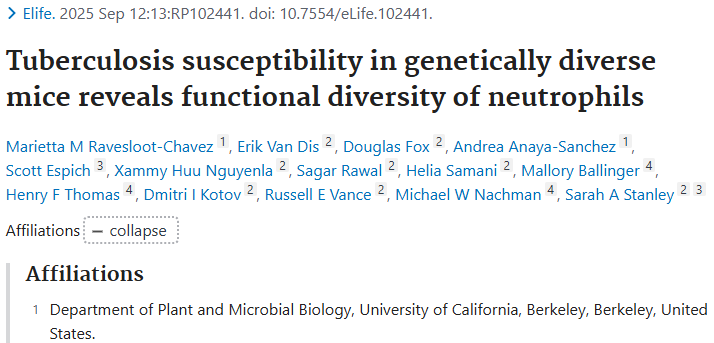
在2025-09-11,我们提到了协作杂交小鼠群体(Collaborative Cross,简称CC)(遗传背景多样的协作杂交小鼠群体)。之后,又看到一篇文献(1) (这个文章的预印版应该成稿于2023年)(2),提到了3种遗传背景多样的小鼠群体,其中包括CC群体。
1. 群体1:CC群体
The Collaborative Cross (CC) model was founded by crossing five common laboratory lines and three wild-derived lines.
协作交叉(Collaborative Cross,简称CC)模型是通过五个常见实验室小鼠品系与三个野生来源品系进行交叉配种所建立的。
2. 群体2:Diversity outbred(DO)群体
Further breeding of the CC lines created the Diversity Outbred (DO) mouse collection, which is maintained as outbred population through random crossings.
通过对协作交叉(CC)品系进一步繁育,建立了多样性远交(Diversity Outbred,简称DO)小鼠资源库,该群体通过随机交配的方式维持为一个远交种群。
3. 群体3
… a set of 19 new inbred lines derived from wild mice collected … across a latitudinal gradient from Brazil to Canada and show significant phenotypic diversity, including size, body mass index, and lipid and glucose metabolism.
……这是一组由从巴西至加拿大的纬度梯度范围内……采集的野生小鼠培育出的19个新建近交系,这些品系展现出显著的表型多样性,包括体型、体重指数以及脂质和葡萄糖代谢等方面的差异。
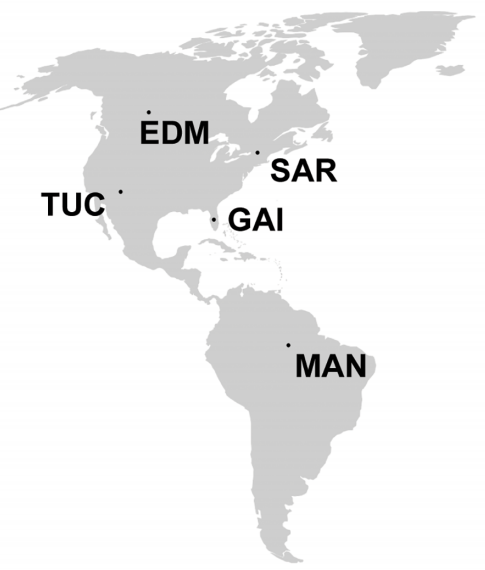
Unlike CC and DO mice, these new lines are all from the Mus musculus domesticus subspecies of house mouse. The use of a single subspecies to establish this cohort is beneficial, as it limits allelic conflicts that can arise from crossing different subspecies.
与CC和DO小鼠不同,这些新建品系均来源于家鼠(house mouse)的Mus musculus domesticus亚种。使用单一亚种建立该群体具有重要优势,因为它能有效避免因不同亚种杂交可能引发的等位基因冲突。