30 摘要-方法结果-时态
摘要的方法和结果描述应该用一般现在时还是一般过去时?
1.《How to Write and Illustrate a Scientific Paper》的描述
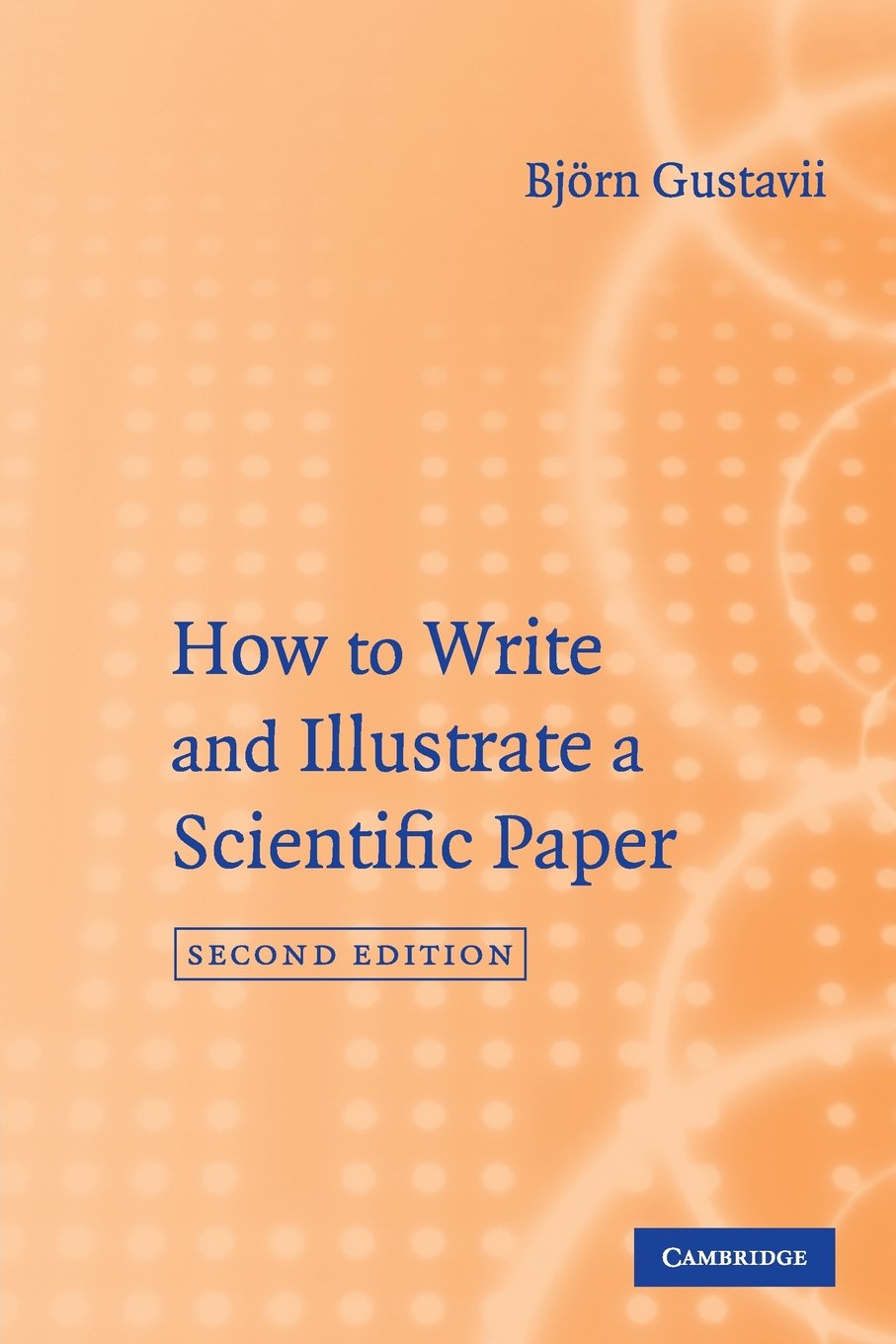
多年之前,因为想写英文文献(人生第一次),基本通读了《How to Write and Illustrate a Scientific Paper》(2nd edition)这本书。对于摘要(abstract)的方法和结果描述,该书认为应该用一般过去时:
Present tense is used for established knowledge … past tense is used for the results thant you are currently reporting.
Most of the abstract section describes your own present work; it is referred to in the past tense.
但实际并非如此。
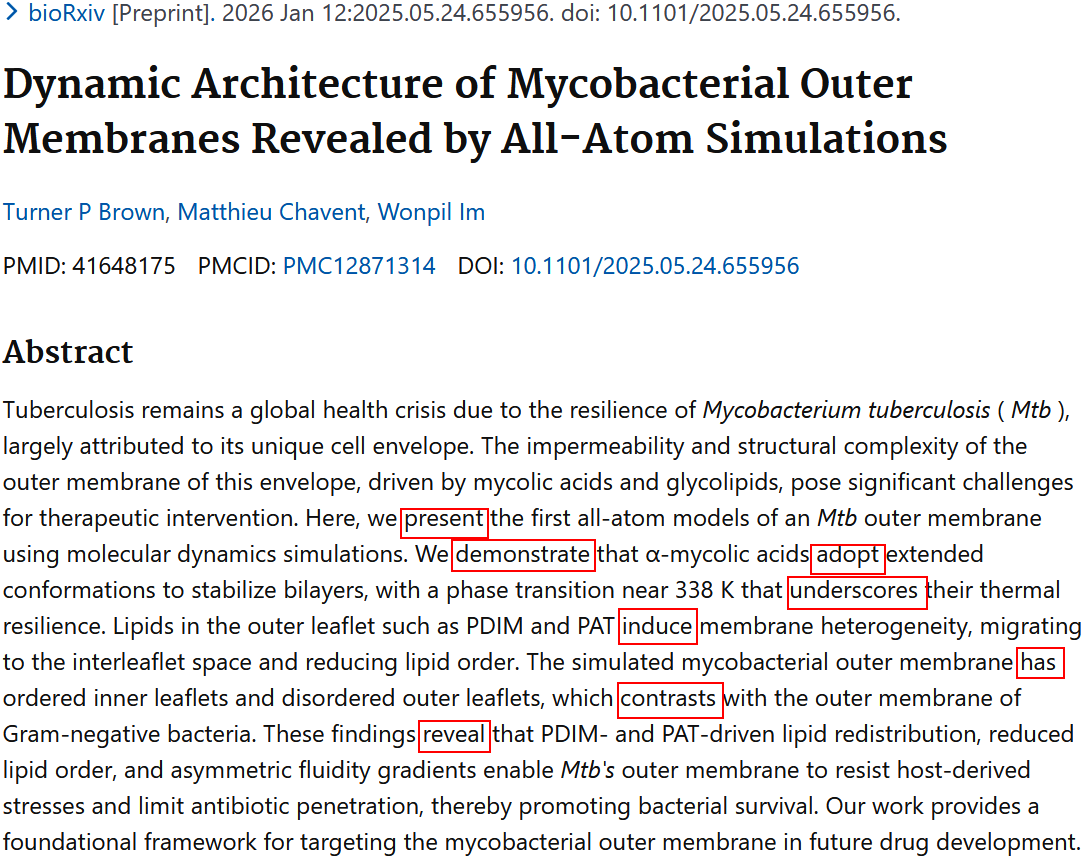
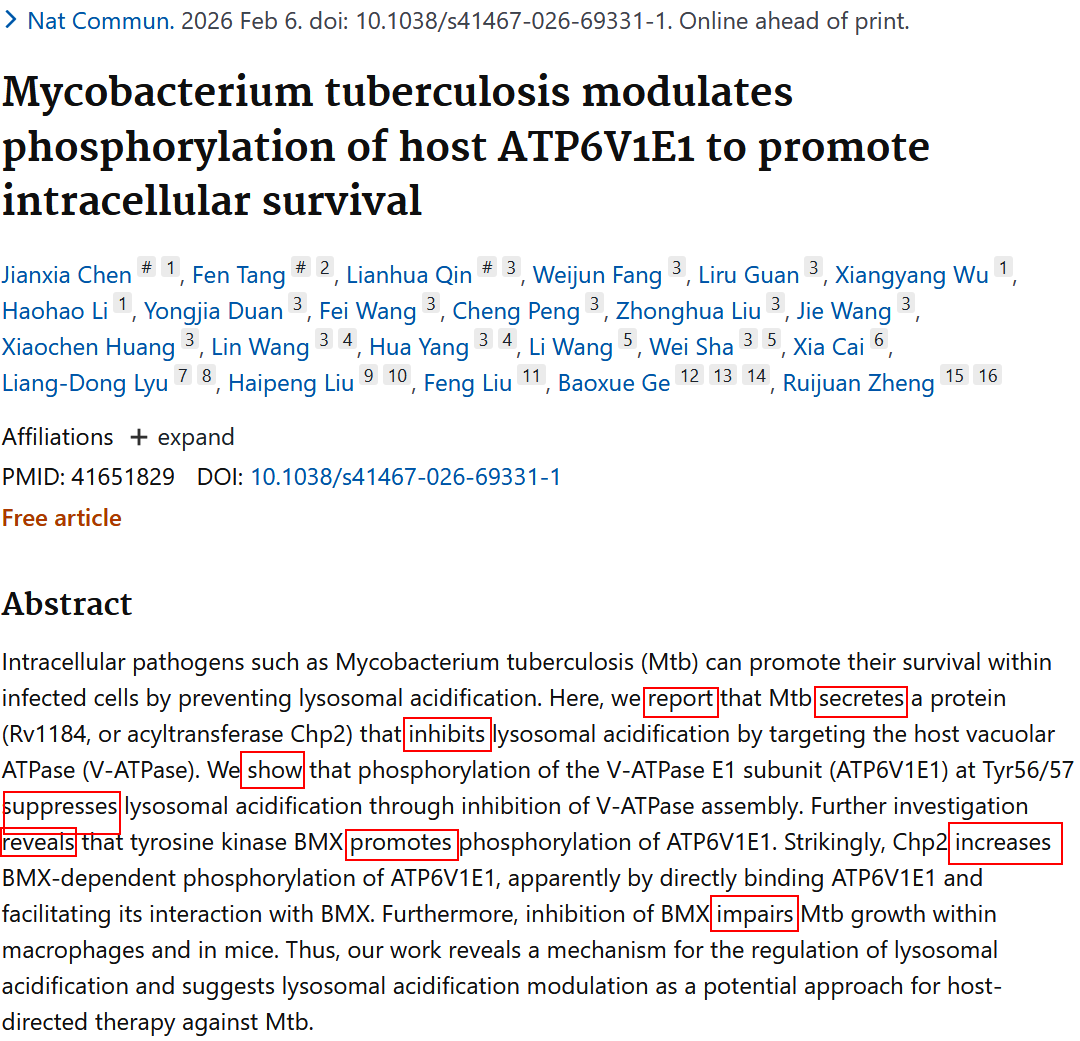
2. 用一般现在时的两个文献摘要
留意红色方框的动词的词性都是一般现在时。
3. 用一般过去时的两个文献摘要
留意红色方框的动词的词性都是一般过去时。
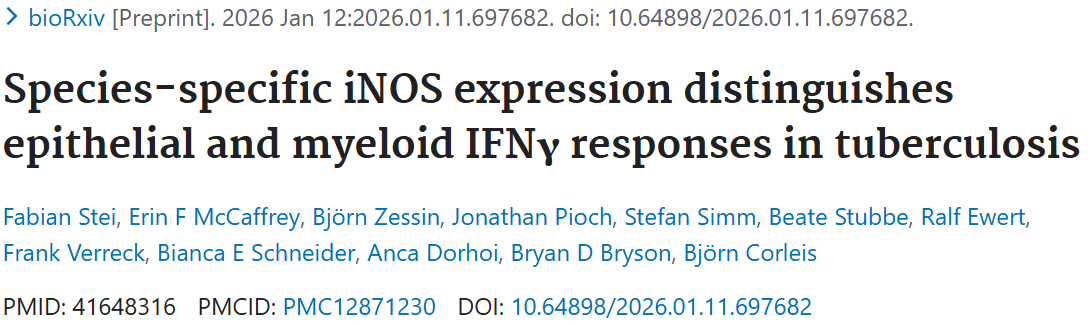
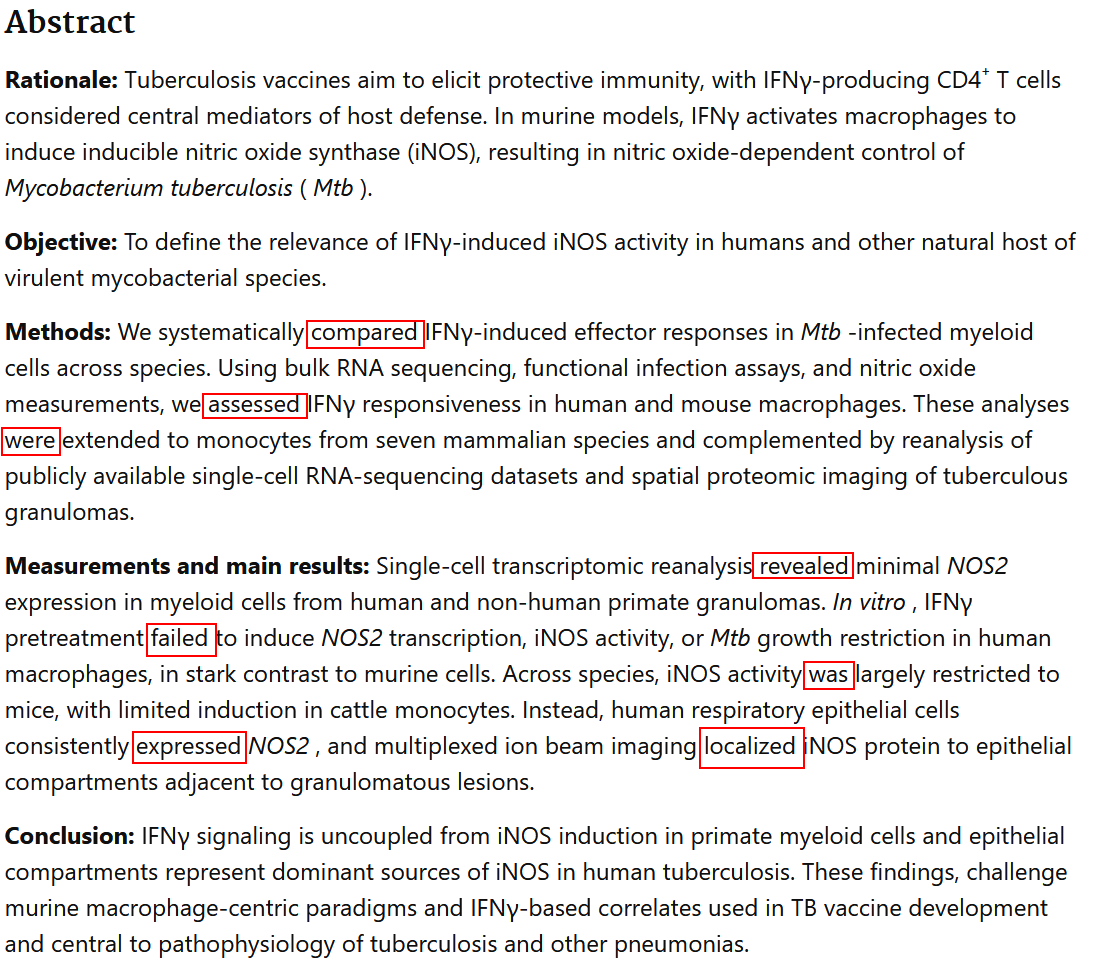
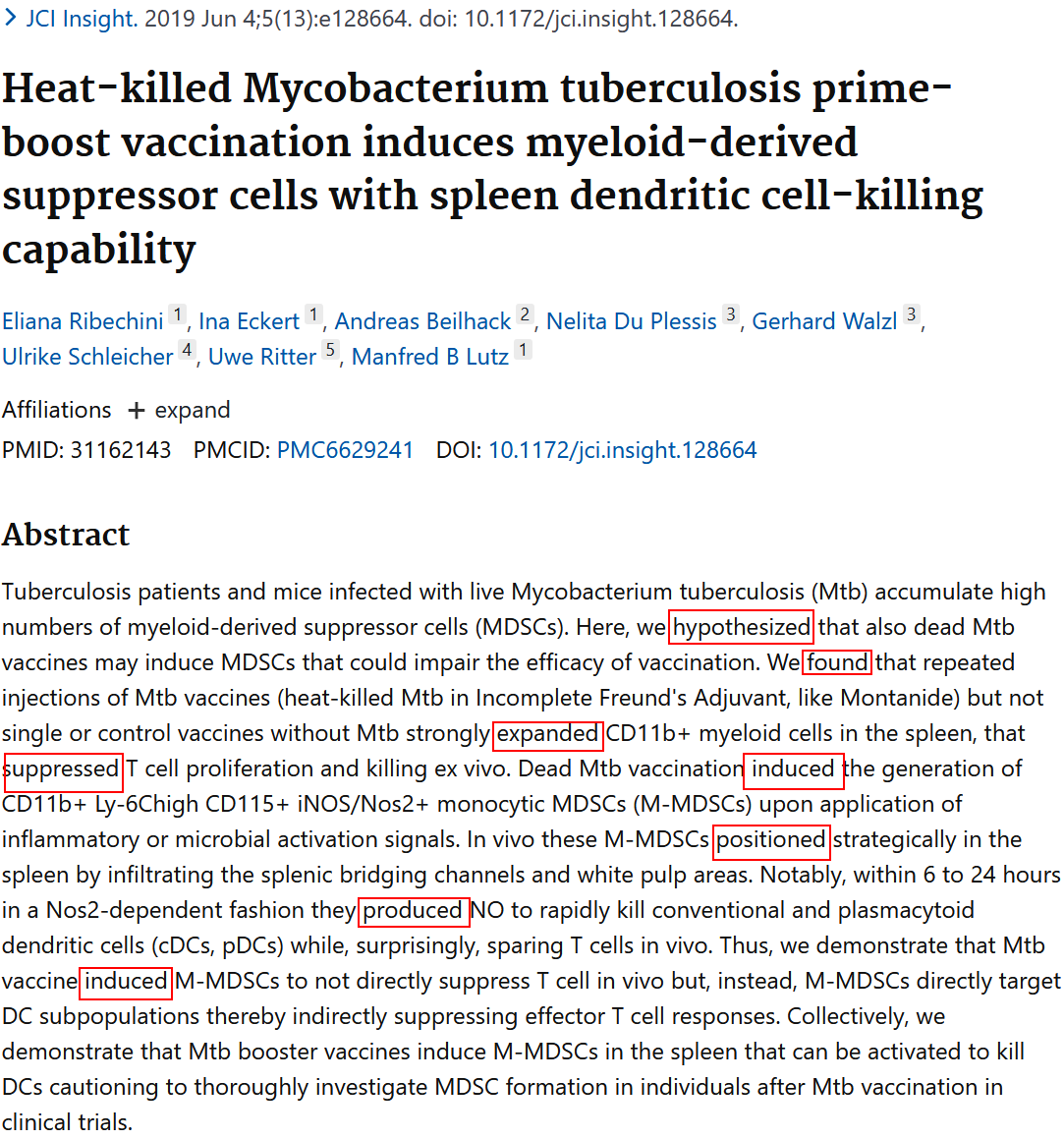
4. 结论
摘要中对应的方法和结果部分,可以使用一般现在时,或者使用一般过去时;但不要混用一般现在时和一般过去时。
附录
实例3属于structured abstract,另外3个实例属于conventional abstract。
图片的红色方框通过QuPath(v0.6.0)添加(即rectangle annotation)。→ 之后通过groovy script保存图像(script见下方)。
// QuPath v0.6.0

// Get image name
def imageName = getCurrentImageNameWithoutExtension()

// Set the base directory
def baseDirectory = "d:\\path\\to\\your\\directory"

// Set the name going to be exported
def exportedImageName = buildFilePath(baseDirectory, "${imageName}_annotated.png")

// Write the full image, displaying objects according to how they are currently shown in the viewer
def viewer = getCurrentViewer()
writeRenderedImage(viewer, "${exportedImageName}")

println "${exportedImageName} saved!"